BREAKING NEWS! Meghan Markle has declared that she will forgive King Charles III and that she, together with her husband and children, will return to Buckingham Palace if King Charles III accepts three demands from her side.

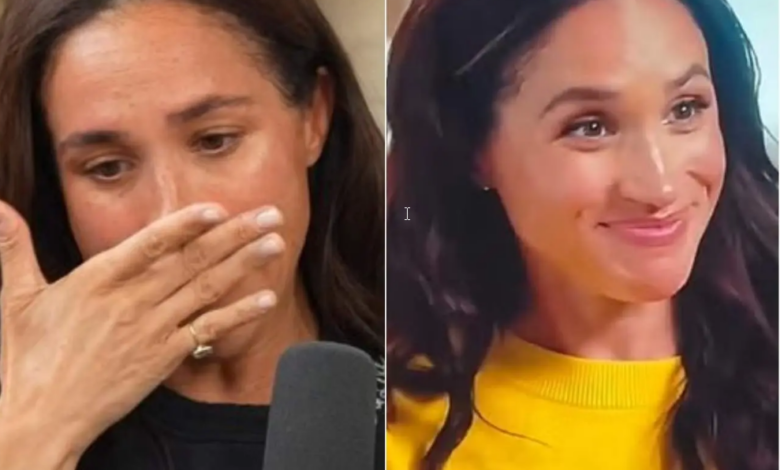
Meghan Markle has declared that she will forgive King Charles III and that she, together with her husband and children, will return to Buckingham Palace if King Charles III accepts three demands from her side.

In the intricate and often turbulent world of the British monarchy, Meghan Markle has reportedly extended a conditional olive branch that could reshape the future of the Sussexes’ relationship with the Royal Family. According to sources familiar with the situation, the Duchess of Sussex has stated her willingness to forgive King Charles III for past perceived slights and to bring her family—Prince Harry, Archie, and Lilibet—back into the fold at Buckingham Palace, provided that the monarch agrees to three specific conditions.

This development, if accurate, marks a significant escalation in the ongoing narrative of reconciliation, separation, and potential reintegration that has captivated global audiences for years.
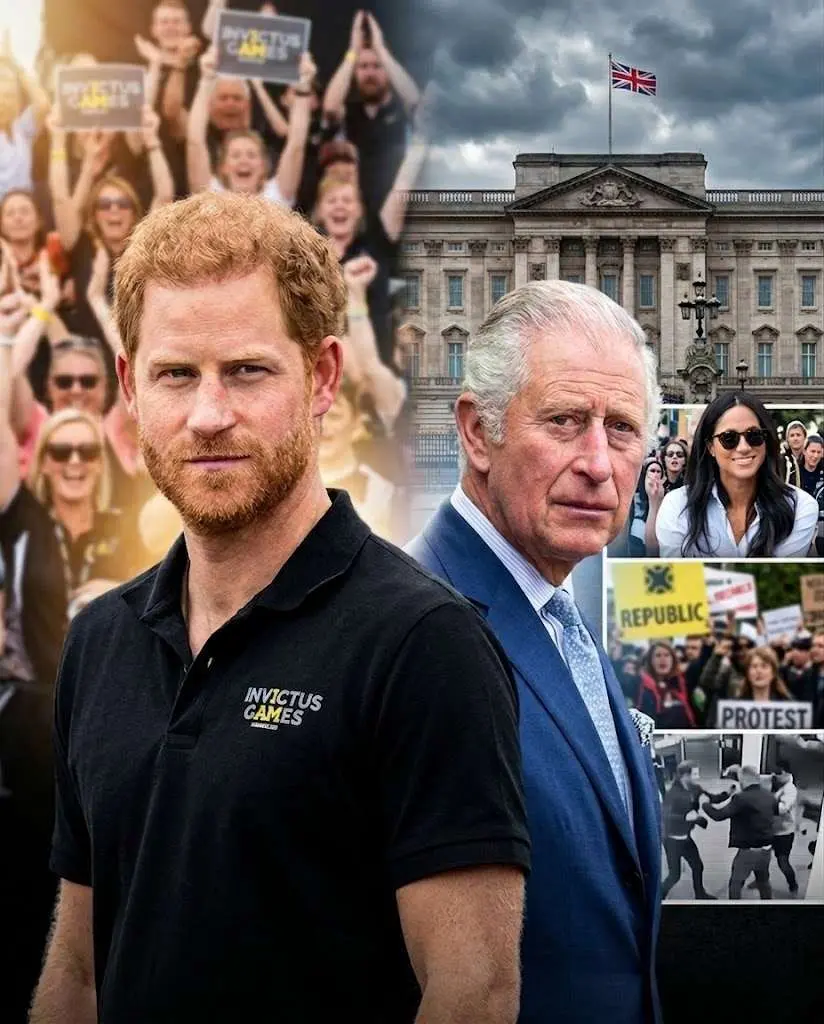
The announcement, delivered through intermediaries and echoed in select media outlets, comes amid a backdrop of persistent speculation about the Sussexes’ desires to reconnect with royal life on their own terms. Meghan, who has maintained a relatively lower public profile in recent months while focusing on personal projects and family life in Montecito, California, is said to view this as a mature step toward healing. Supporters see it as a gesture of goodwill, demonstrating that the couple remains open to bridging divides despite the wounds inflicted by years of media scrutiny, family tensions, and institutional challenges.
Critics, however, interpret the move as another example of strategic negotiation, with demands that could be difficult for the Palace to accommodate without compromising core principles of royal duty and discretion.
While the exact nature of the three demands has not been publicly detailed in full, palace insiders and royal commentators have pieced together a picture based on previous negotiations and reported discussions. The first demand is believed to center on security and financial assurances. Since stepping back as senior working royals in 2020, Harry and Meghan have faced ongoing battles over taxpayer-funded protection, particularly during visits to the United Kingdom. Harry has pursued legal avenues to restore levels of security he deems necessary for his family’s safety, citing threats linked to his high profile and past experiences.
A return to palace life would likely require a formal agreement on comprehensive protection arrangements, potentially funded privately or through a hybrid model that satisfies both parties while addressing public concerns about costs.
The second demand reportedly involves public recognition and respect for Meghan’s role within the family. This could encompass full restoration of her HRH style in certain contexts, formal acknowledgments during official events, and an end to what the Sussexes perceive as unequal treatment compared to other senior royals. Meghan has long expressed feelings of isolation and unfair media portrayal during her time as a working royal, including allegations of institutional rigidity and lack of support for her mental health.
By seeking explicit commitments on equality and respect, she aims to ensure that any return does not repeat the challenges of her initial integration into the monarchy. This condition also touches on the treatment of their children, Archie and Lilibet, who hold prince and princess titles but have had limited exposure to royal traditions. Guarantees regarding their upbringing, potential future roles, and protection from media intrusion would be essential elements.
The third and perhaps most sensitive demand is said to focus on accountability and reconciliation processes. This might include a private or semi-public acknowledgment from the Royal Family regarding past misunderstandings, an agreement to limit internal briefings against the Sussexes, and commitments to collaborative charitable work that aligns with the couple’s values on mental health, racial justice, and global advocacy.
Meghan’s statement about forgiveness implies a reciprocal expectation—that the King demonstrate openness to addressing grievances outlined in previous interviews, the Netflix series, and Harry’s memoir “Spare.” Such a step would require delicate diplomacy, as the monarchy traditionally favors privacy and unity over public mea culpas.
King Charles III finds himself in a profoundly difficult position. As both father and monarch, he has expressed a personal desire to see his son and grandchildren more frequently, especially amid his own health challenges with cancer. Reports suggest the King has shown moments of willingness to forgive and move forward, driven by paternal instincts and a hope for family harmony. However, broader institutional considerations weigh heavily. The monarchy under Charles has emphasized a slimmed-down operation, with Prince William and Catherine, the Princess of Wales, taking on central roles alongside a small core of working royals.
Reintegrating Harry and Meghan, with their independent global brand, media history, and demands, risks reopening old wounds and inviting further public drama at a time when stability is paramount.
Prince William’s stance adds another layer of complexity. As the future king, he is reportedly less inclined toward reconciliation, viewing past actions by the Sussexes as betrayals that damaged the family’s reputation. Insiders describe a divide within the “Firm,” where loyalty to the institution and concerns about trust create resistance to any conditional return. William and Catherine’s focus on their young family and public service initiatives leaves little appetite for negotiating ultimatums that could undermine their efforts to modernize and professionalize royal work.
Public reaction has been predictably polarized. In Britain, many express skepticism or outright opposition, with polls indicating limited support for bringing the Sussexes back into active roles. The British public values the monarchy’s sense of duty and continuity, and memories of explosive revelations in books and documentaries remain fresh. Critics argue that any return should involve humility and service rather than lists of conditions. In contrast, international audiences, particularly in the United States, often view Meghan as a trailblazer who challenged an outdated system.
Her supporters celebrate the demands as assertive boundary-setting, praising her for prioritizing family well-being and refusing to accept marginalization.
The prospect of a family return to Buckingham Palace raises practical questions. Living arrangements, official patronages, and the integration of the Sussex children’s education and heritage would need careful planning. Archie and Lilibet, now growing up in California with American influences, would face a dramatic shift in lifestyle. Harry has spoken movingly about wanting his children to know their British roots, yet the couple has also built a self-sufficient life centered on privacy, philanthropy through Archewell, and entrepreneurial ventures. Balancing these worlds would test even the most skilled diplomats within the royal household.
Royal experts offer nuanced perspectives on the viability of such a deal. Some see Meghan’s declaration as a strategic opening rather than a rigid ultimatum, designed to keep dialogue alive while maintaining leverage. Others warn that conditional forgiveness could backfire, entrenching divisions if the Palace perceives it as pressure tactics. History provides precedents: previous royal reconciliations, from estranged relatives to abdication aftermaths, have succeeded through quiet compromise rather than public bargaining. The modern media environment, however, amplifies every rumor, making discreet resolutions far more challenging.
For King Charles, the decision carries personal, constitutional, and legacy implications. His reign has focused on environmentalism, cultural unity, and adapting the monarchy to contemporary society. Welcoming the Sussexes could inject fresh energy and global appeal but at the risk of instability. Rejecting the overture might solidify the separation, allowing the core family to proceed with focused public service while Harry and Meghan continue their independent path. The King’s silence or measured response so far reflects his preference for thoughtful deliberation over reactive statements.
Meghan’s willingness to forgive signals emotional maturity on one level, yet the framing of conditions highlights the transactional elements that have complicated relations from the start. The couple’s departure in 2020 was framed as a search for independence; any return would require redefining roles in ways that satisfy both personal needs and institutional requirements. As Archie and Lilibet represent the blending of American and British heritage, their potential involvement could symbolize a more inclusive monarchy—or highlight irreconcilable differences.
As this latest chapter unfolds, the royal world watches with bated breath. Will King Charles engage with the proposals, perhaps through trusted intermediaries, to facilitate limited family access or ceremonial roles? Or will the demands prove a bridge too far, confirming the Sussexes’ status as beloved but distant relatives? The answer may determine not only the immediate future of Harry and Meghan but also the tone of Charles’s remaining years on the throne and the inheritance passed to William.
Ultimately, royal families embody both timeless tradition and human vulnerability. Forgiveness, in its truest form, transcends conditions, yet practical realities demand structure. Meghan Markle’s declaration opens a door while setting parameters, challenging the Palace to respond in kind. Whether this leads to a heartfelt reunion at Buckingham Palace or further solidification of separate lives, the conversation itself underscores the enduring fascination with a family that continues to captivate the world’s imagination. The coming months will reveal if reconciliation remains an elusive ideal or becomes a negotiated reality grounded in mutual respect and shared purpose.